


What is a bentonite membrane?
A bentonite membrane A bentonite membrane is a modern geosynthetic waterproofing system that provides reliable
and long-lasting protection of underground structures against water and moisture penetration. Thanks to natural sodium
bentonite, the membrane has a unique ability to swell upon contact with water, creating an impermeable barrier that protects
reinforced concrete structures from damage caused by groundwater and hydrostatic pressure.
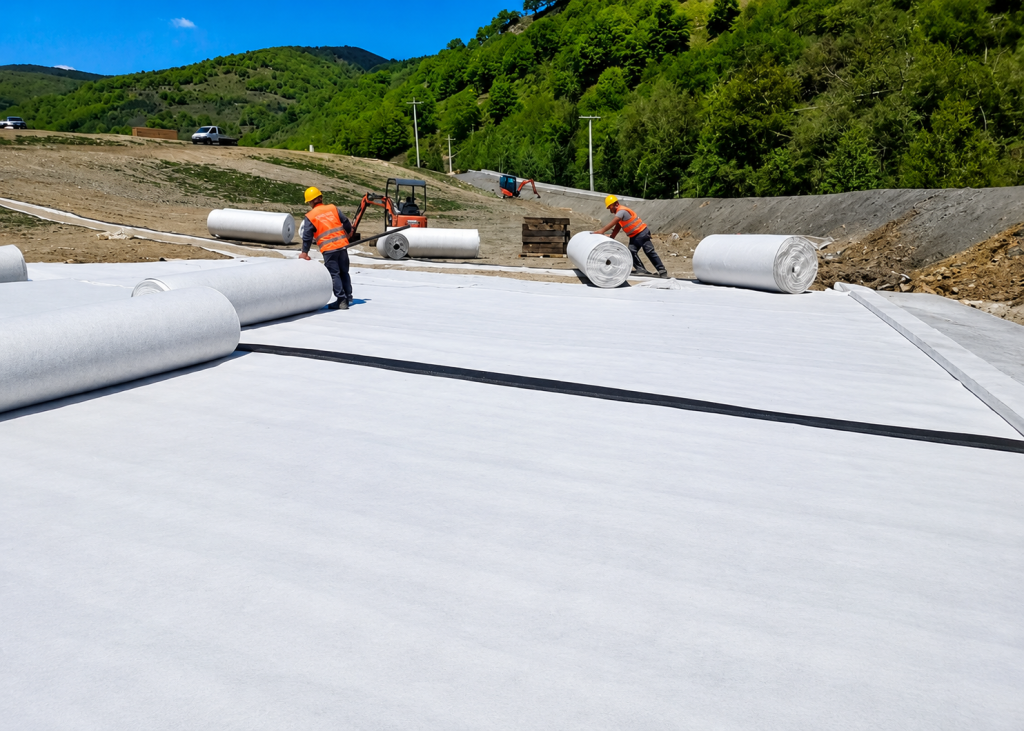
Unlike traditional waterproofing systems, a bentonite membrane does not represent merely a physical barrier,
but an active system that reacts to the presence of water.
This characteristic makes it one of the most reliable solutions for the protection of foundations,
basements, underground garages, tunnels, reservoirs, infrastructure facilities, and industrial buildings.
Thanks to its simple installation, high mechanical resistance, and self-sealing capability, bentonite membranes
are now widely used in modern construction, particularly in projects where long-term waterproofing
is of critical importance.
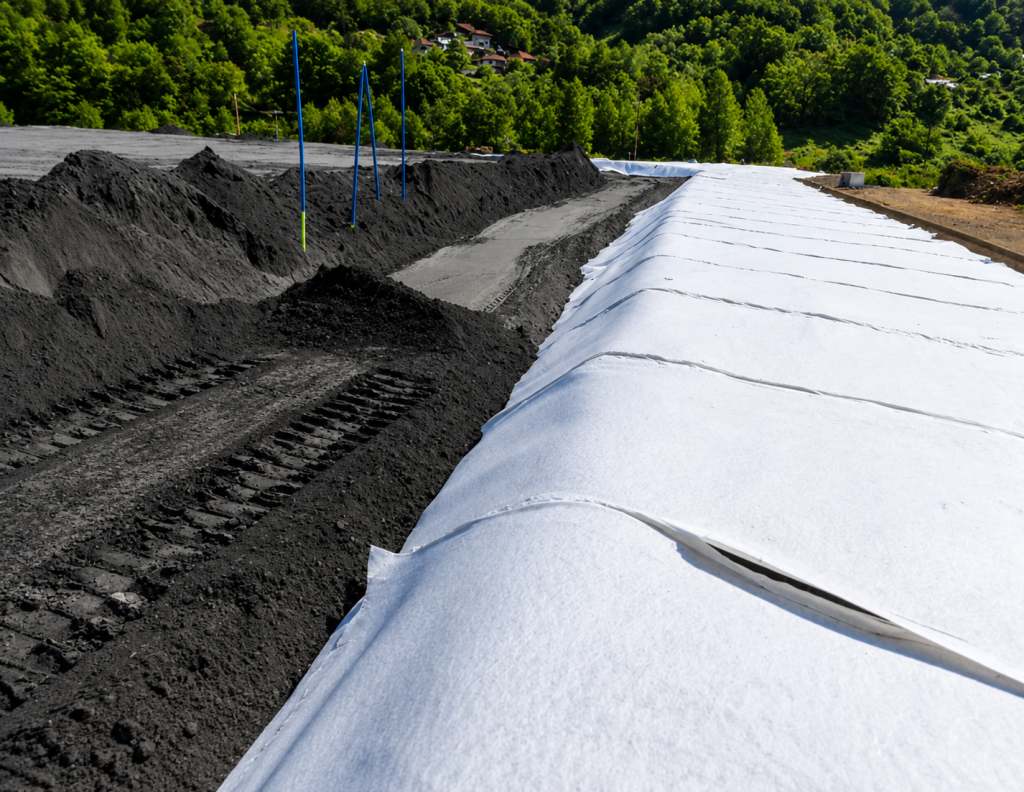
Sodium bentonite is a natural clay with an exceptional capacity for water absorption.
When it comes into contact with water, its volume increases significantly,
forming a dense gel that fills all small voids around the membrane and creates a continuous impermeable barrier.
It is precisely this property that distinguishes bentonite membranes from many other waterproofing systems.
Even in the event of localized damage or a small crack, the swollen bentonite can help seal the gap
and reduce the risk of water penetration.
Due to their characteristics, bentonite membranes are most commonly used as external waterproofing
for concrete structures that are in direct contact with soil or groundwater.
How does a bentonite membrane work?
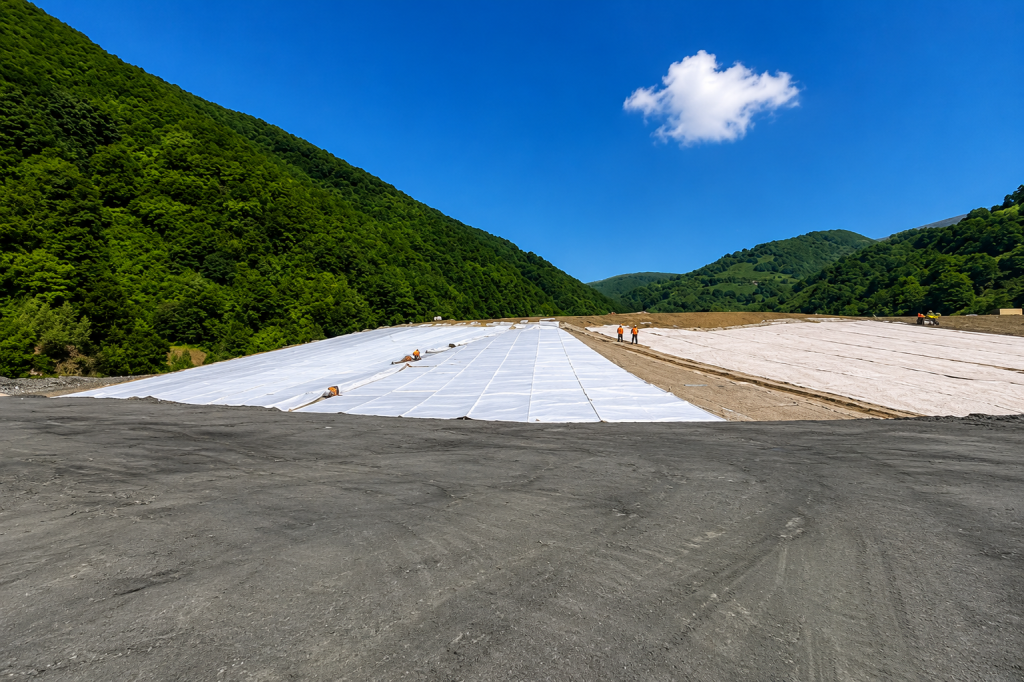
The functioning of a bentonite membrane is based on the natural properties of sodium bentonite.
1. Membrane installation
The membrane is installed on the concrete substrate or formwork before concreting, creating a continuous waterproofing layer around the structure.
2. Contact with water
After construction is completed, if the structure comes into contact with groundwater or moisture, the sodium bentonite begins
to absorb water.
3. Swelling of the bentonite
As it absorbs water, the bentonite increases in volume and forms a dense gel that fills all small voids between the membrane and
the concrete structure.
4. Long-Term waterproofing
Once the protective layer is formed, the membrane creates a reliable barrier against water penetration, providing long-
term protection for the structure.
Areas of Application
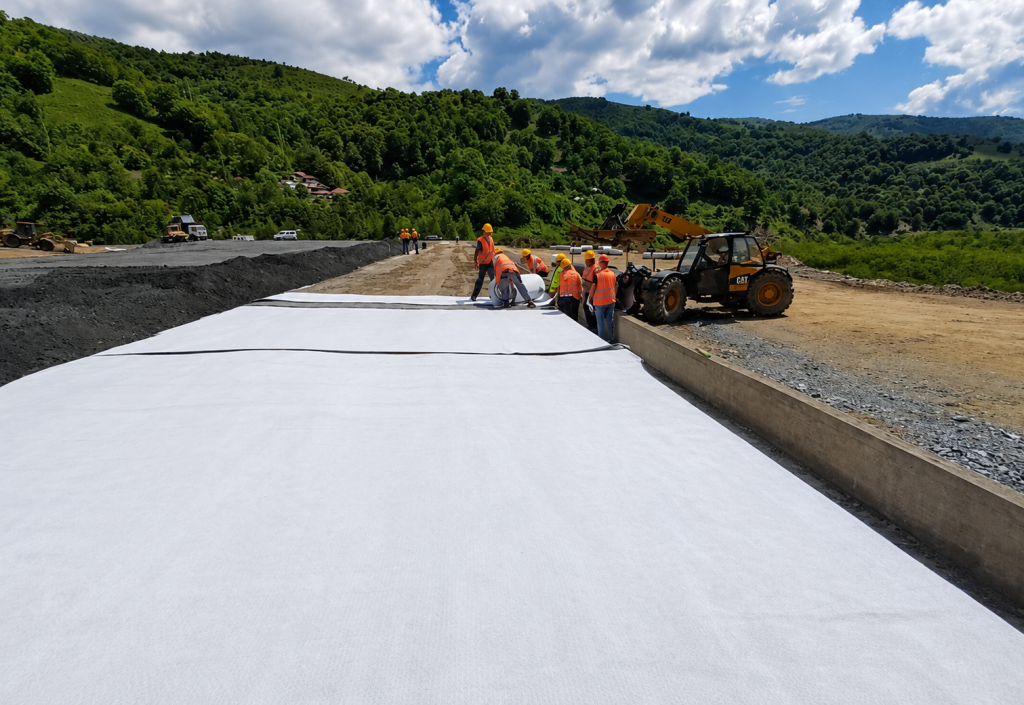
A bentonite membrane is a reliable waterproofing solution for structures exposed to groundwater,
moisture, and hydrostatic pressure. Thanks to its self-sealing capability and long-term protection,
it is successfully used in residential, commercial, industrial, and infrastructure projects.
Its versatility makes it suitable for various types of structures where effective and durable protection
against water ingress is required.
Foundations of residential and commercial buildings
Provides reliable waterproofing of foundation structures, preventing the ingress of groundwater
and moisture that may affect the stability and durability of the building.
Basements and underground garages
Creates a continuous protective barrier that reduces the possibility of water intrusion,
moisture accumulation, and damage in underground areas.
Tunnels and infrastructure facilities
Used in the construction of road, railway, and utility tunnels, where reliable waterproofing
is required under conditions of constant contact with groundwater.
Reservoirs and water management structures
Applicable for water reservoirs, canals, pools, and other structures where impermeability and
long-term protection are of critical importance.
Industrial facilities
An ideal solution for factories, production facilities, logistics centers, and other industrial buildings
where structures are exposed to moisture and groundwater.
Key advantages of bentonite membranes
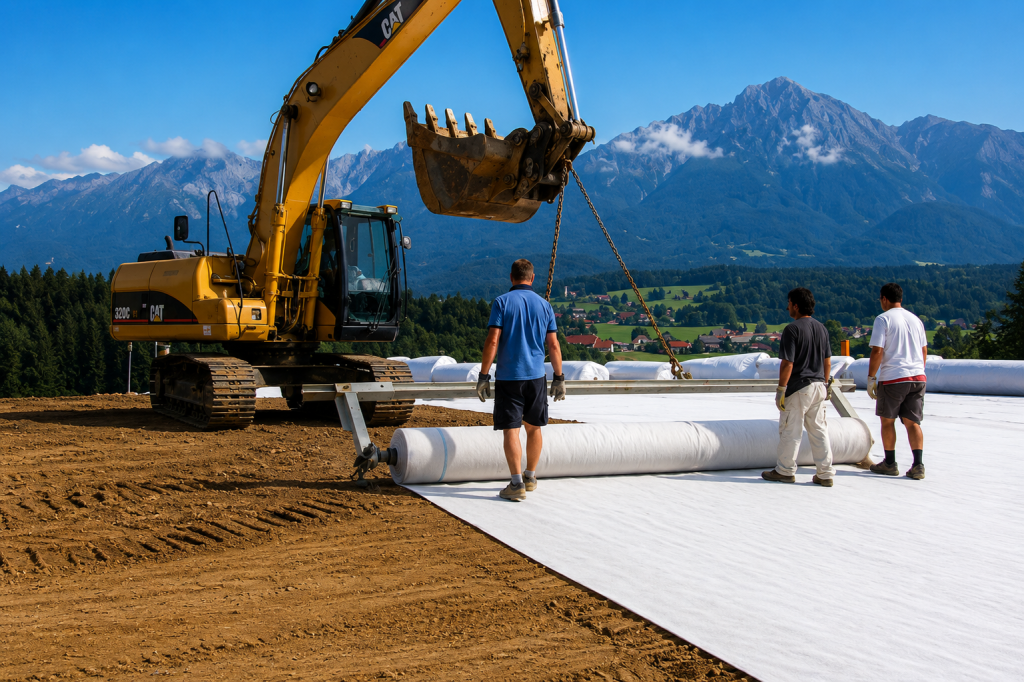
Bentonite membranes offer numerous advantages that make them one of the most reliable solutions
for waterproofing underground structures. Thanks to natural sodium bentonite and their
composite structure, these systems provide long-lasting protection and dependable performance
under a variety of construction conditions.
Self-Sealing upon contact with water – Sodium bentonite swells upon contact with water
and forms an impermeable layer that fills small voids and further enhances waterproofing performance.
Long-term protection – The membrane provides reliable protection against groundwater and moisture,
contributing to a longer service life of the structure.
Fast and simple installation – Easy installation enables faster execution of construction
works and optimization of the construction schedule.
High mechanical resistance – The geotextile layers protect the membrane from mechanical damage
during transportation, installation, and concreting operations.
Environmentally friendly solution – The natural composition of sodium bentonite makes the membrane
an environmentally friendly solution for various types of construction projects.
BCA offers a complete portfolio of geosynthetic products, as well as expert technical support
to help you select the most suitable solution for your project’s specific needs.